
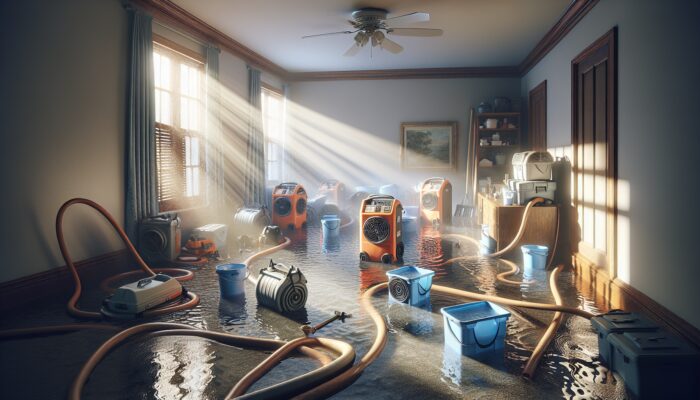
The Hidden Costs of Ignoring Flood Recovery Services
When water invades your property, the clock starts ticking on damage that compounds by the hour. Most property owners underestimate what happens when they delay professional flood recovery services, thinking they can handle cleanup themselves or wait until insurance paperwork clears. That hesitation costs thousands more than the initial service call would have. The reality is that water doesn’t just sit there politely waiting for you to get around to it—it spreads, seeps, and destroys in ways you won’t see until the bills start rolling in months later.
What Your Insurance Company Isn’t Telling You About Delays
Here’s something most adjusters won’t mention during your initial claim: many policies have strict timelines for mitigation efforts. If you wait too long to start professional restoration, your insurer can reduce or deny your claim based on “failure to mitigate damages.” That means the difference between a covered claim and paying out of pocket often comes down to how quickly you call for help.
Insurance companies love documentation. When certified technicians arrive within hours of water intrusion, they create detailed moisture readings, photographic evidence, and professional assessments that strengthen your claim. Try explaining to your adjuster three weeks later why you thought leaving wet drywall to “air dry” was a good idea. The mold growth alone will trigger questions about whether the damage is now from the original flood or from negligence.
Property owners in areas prone to heavy rainfall have learned this lesson the hard way. One homeowner waited five days before calling professionals, assuming the water would evaporate on its own. By then, secondary damage had tripled the restoration costs, and the insurance company classified half the work as “preventable damage”—not covered. The initial service call would have cost around $2,500. The final bill after delays and partial insurance coverage? Over $18,000 out of pocket.
The Mold Timeline Nobody Wants to Believe
Mold spores exist everywhere, just waiting for the right conditions. Give them moisture and 24-48 hours, and they’ll colonize your walls, floors, and belongings with enthusiasm. This isn’t the surface mold you can wipe off a shower curtain. We’re talking about invasive growth that burrows into porous materials, releases airborne spores, and creates health hazards that require specialized remediation.
The cost difference is staggering. Standard water extraction and drying might run $3,000-$5,000 for a typical basement flood. Add mold remediation because you waited a week? Now you’re looking at $10,000-$30,000 depending on the extent of colonization. Mold doesn’t care about your budget or your schedule. It grows exponentially, and remediation requires containment barriers, HEPA filtration, antimicrobial treatments, and often the removal of building materials that could have been saved with faster action.
Experienced restoration teams see this pattern constantly. Customers call after attempting DIY cleanup, not realizing that shop-vacs and box fans don’t address moisture trapped in wall cavities, under flooring, or in insulation. By the time they notice the musty smell or see visible growth, the problem has spread far beyond the original water damage. Professional restoration catches these issues before they become health hazards.
Structural Damage You Can’t See Until It’s Too Late
Water follows gravity and capillary action into places you’d never think to check. It wicks up drywall, saturates wooden studs, seeps under subflooring, and pools in crawl spaces. Without industrial-grade moisture meters and thermal imaging cameras, you’re basically guessing about what’s actually wet and what’s already drying.
Wood loses structural integrity when it stays wet. Floor joists weaken, wall studs begin to rot, and foundation materials can deteriorate. These problems don’t announce themselves with obvious signs until something fails—a sagging floor, a cracked wall, or worse. By then, you’re not just paying for water damage restoration. You’re paying for structural repairs that could have been prevented entirely.
A commercial property owner learned this lesson after a pipe burst in their office building. They hired a general contractor to “dry things out” instead of calling restoration specialists. Three months later, tenants complained about uneven floors. The inspection revealed that floor joists had rotted because moisture remained trapped in the subfloor. What started as a $4,000 restoration job became a $45,000 structural repair project that required tenants to relocate during construction.
Professional teams don’t just remove standing water. They use moisture mapping to track exactly where water traveled, then monitor those areas throughout the drying process to ensure complete moisture removal. This precision prevents the hidden damage that shows up months later when it’s far more expensive to fix.
The Electrical and HVAC Systems Nobody Remembers to Check
Water and electricity make dangerous combinations, but water and your HVAC system creates a different kind of problem. When flooding affects ductwork, insulation, or mechanical components, contaminants get distributed throughout your property every time the system runs. This turns a localized water problem into a building-wide air quality issue.
Electrical systems require immediate professional assessment after water exposure. Outlets, wiring, and panels that got wet might seem fine once they dry, but corrosion happens internally. Weeks or months later, you could face electrical fires or system failures. The cost of rewiring after corrosion sets in dwarfs the expense of proper inspection and preventive replacement immediately after water damage.
HVAC contamination is equally insidious. Mold spores, bacteria, and other contaminants in wet ductwork get blown into every room. Cleaning or replacing affected ductwork costs significantly more than addressing water damage before it reaches these systems. Many restoration companies work with HVAC specialists to assess and clean systems before they become contamination vectors, but only if they’re called while the water damage is still fresh.
These interconnected systems mean that water damage is never just about the visible wet spots. Quick professional response addresses the entire scope of potential damage, not just the obvious puddles. Waiting turns a straightforward restoration into a complex, multi-system repair project.
Why the “Wait and See” Approach Costs More Every Time
The math is brutally simple. Every day you wait, damage spreads and compounds. Water that affects 200 square feet on day one might impact 500 square feet by day three. Materials that could be dried and saved in the first 48 hours need replacement after a week. The restoration industry has decades of data showing that response time directly correlates with total costs.
Beyond the direct damage costs, consider the secondary expenses. Hotels while your home is uninhabitable. Storage for furniture that needs to be moved. Lost business revenue if it’s a commercial property. Replacement of personal items that could have been saved. These costs add up quickly and rarely get covered by insurance if the damage resulted from delayed response.
Restoration companies with years of experience can walk into a property and estimate costs within a reasonable range based on how long water has been present. The difference between a 2-hour response and a 2-week response can easily be $20,000-$50,000 for a moderate-sized property. That’s not scare tactics—that’s the reality of how water damage progresses when left unaddressed.
The hidden costs of ignoring professional help aren’t just financial. There’s the stress of watching damage spread, the health concerns from mold exposure, the disruption to your life or business, and the regret of knowing it could have been prevented. Property owners who’ve been through it once never make the same mistake twice. They understand that the service call isn’t an expense—it’s an investment that prevents catastrophic losses.
When water shows up uninvited, the only question should be how fast you can get professionals on site, not whether you need them at all. The answer to that question is always yes, and the timing is always now.
Frequently Asked Questions About Flood Recovery Services
How quickly should I call for flood recovery services after water damage occurs?
You should contact flood recovery professionals immediately, ideally within the first 24-48 hours after flooding occurs. Quick response is critical because water damage worsens rapidly, with mold growth potentially starting within 24-72 hours. The sooner extraction and drying begin, the more property you can save and the lower your overall restoration costs will be.
Will my homeowner’s insurance cover flood recovery services?
Coverage depends on your specific policy and the source of the flooding. Standard homeowner’s insurance typically covers sudden internal water damage like burst pipes, but usually excludes natural flood events, which require separate flood insurance through NFIP or private carriers. It’s best to review your policy and contact your insurance agent immediately after flooding occurs to understand your coverage and start the claims process.
What does the flood recovery process actually involve?
Professional flood recovery typically includes several key steps: emergency water extraction using industrial pumps, moisture detection and mapping, structural drying with commercial dehumidifiers and air movers, removal of unsalvageable materials, antimicrobial treatment to prevent mold, thorough cleaning and sanitization, and finally restoration or reconstruction of damaged areas. The entire process can take anywhere from a few days to several weeks depending on the severity of damage.
Can I stay in my home during the flood recovery process?
This depends on the extent of the damage and which areas of your home are affected. Minor flooding in a basement or single room may allow you to remain in unaffected areas, but extensive flooding often requires temporary relocation for safety reasons. Factors include electrical hazards, structural integrity concerns, mold exposure risks, and the noise and disruption from drying equipment running 24/7.
How do I choose a reliable flood recovery company?
Look for companies with proper certifications like IICRC (Institute of Inspection, Cleaning and Restoration Certification), valid licensing and insurance, 24/7 emergency availability, and positive local reviews. A reputable company should offer free inspections, provide detailed written estimates, use professional moisture detection equipment, and have experience working with insurance companies. Don’t hesitate to ask for references and verify their credentials before signing any contracts.
