
When water is spreading across your floors at 2 a.m., the last thing you want to be doing is scrolling through search results trying to figure out which water restoration company actually knows what they’re doing. The pressure of that moment, the ruined flooring, the soaked drywall, the creeping panic, makes it almost impossible to think clearly. That’s exactly why you need to know what to look for before disaster strikes, not during it.
Speed Matters More Than You Think, But Not in the Way You Expect
Most people assume that the fastest company to answer the phone is the best one to hire. That’s not always true. What actually matters is how fast they can deploy trained technicians with the right equipment to your property. A company that answers immediately but shows up three hours later with a shop vac and a dehumidifier from a hardware store isn’t helping you, they’re delaying your real recovery.
Water damage follows a brutal timeline. Within the first hour, it soaks into subfloors and walls. Within 24 hours, mold can begin to take hold. Within 48 hours, structural materials start to deteriorate in ways that cost significantly more to repair. A legitimate restoration team understands this and treats your situation with the urgency it deserves. If a company can’t give you a clear answer about their response time and what equipment they’ll bring, keep looking.
For a deeper look at what that timeline really costs you, this breakdown of what delaying water damage cleanup actually costs is worth reading before you’re ever in that situation.
Certifications Aren’t Just Paperwork, They’re Your Protection
The restoration industry has real professional standards, and the most important one to look for is IICRC certification. The Institute of Inspection, Cleaning and Restoration Certification sets the technical standards for how water damage should be assessed, dried, and documented. A certified technician isn’t just someone who showed up and learned on the job, they’ve been trained on moisture mapping, psychrometrics, and proper drying protocols.
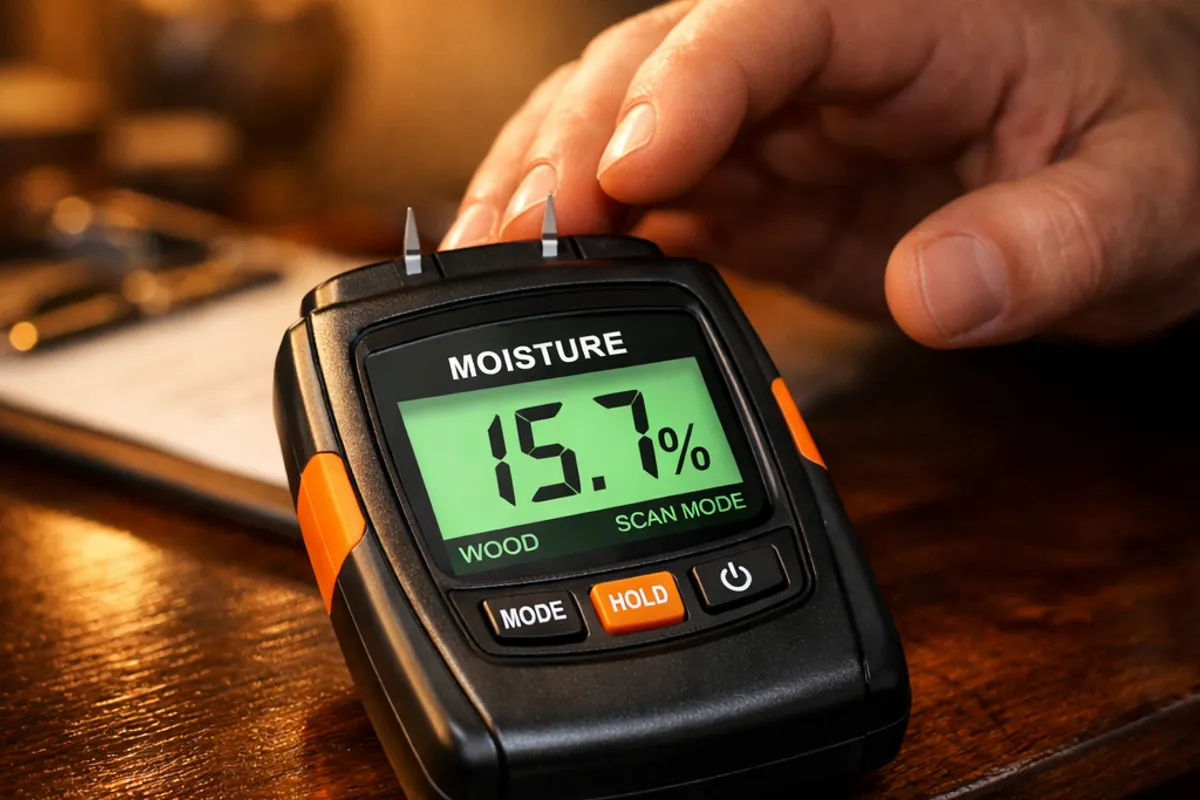
Why does this matter to you practically? Because improper drying is one of the most common causes of mold problems that show up months after a flood event. A crew that pulls up wet carpet and runs a few fans might make things look dry. But if moisture is still trapped in wall cavities or under subfloors, you’re going to be dealing with a much bigger problem down the road. Certified technicians use moisture meters and thermal imaging to verify that drying is complete, not just assumed.
Ask any company you’re considering whether their lead technicians hold current IICRC credentials. If they hesitate or can’t produce documentation, that’s a red flag worth taking seriously.

Insurance Navigation Is Part of the Job, Insist on It
One area where homeowners consistently get caught off guard is the insurance claims process. Many people assume their insurer will handle everything smoothly once they file a claim. In reality, the documentation your restoration team provides, or fails to provide, can make or break what your policy actually covers.
A professional team should be doing detailed moisture readings, photographic documentation, and written scope reports from the very first visit. This isn’t just good practice, it’s the evidence your insurance adjuster needs to approve your claim properly. Companies that skip this step, either out of laziness or because they’re moving too fast, can leave you fighting with your insurer over costs that should have been covered.
Understanding how insurance claims work in a water damage situation can save you thousands of dollars and a significant amount of frustration. Look for a restoration team that has experience working directly with adjusters and knows how to present documentation that holds up.
Flood Recovery Service has built a reputation across multiple markets for exactly this kind of thorough, documented approach, and it’s something customers consistently mention when they talk about why they’d call again without hesitation.
Local Knowledge and Honest Scoping Go Hand in Hand
There’s a meaningful difference between a restoration crew that knows your region and one that’s just chasing storm work across the country. Local teams understand the building materials common in your area, the typical behavior of water in your climate, and the specific challenges that come with regional construction styles. That knowledge shows up in how accurately they scope a job from the start.
Honest scoping is something that separates trustworthy companies from those that lowball estimates to win the job and then pile on charges later. A reliable team will walk through your property, explain what they’re seeing, give you a realistic picture of the work involved, and tell you upfront if something is beyond their scope, like mold remediation that requires a separate specialist assessment.
If you want to avoid the most common hiring pitfalls in this industry, this guide on mistakes to avoid when hiring a water damage company covers the things most homeowners only learn the hard way.
Choosing the right team when water is actively damaging your home is one of the most consequential decisions you’ll make as a homeowner. The companies worth trusting are the ones that show up prepared, communicate clearly, document everything, and treat your home like it matters, because it does.
Frequently Asked Questions
How quickly does water damage actually get worse if I wait a few hours before calling anyone?
Within the first hour, water is already soaking into subfloors and walls, damage you can’t see yet but will pay for later. By 24 hours, mold can begin to take hold, and by 48 hours, structural materials start deteriorating in ways that cost significantly more to fix than if they’d been dried out properly from the start. That timeline is why the response time a company commits to, and what equipment they bring when they arrive, matters more than just how fast they pick up the phone.
What is IICRC certification and why should I care whether my technician has it?
IICRC stands for the Institute of Inspection, Cleaning and Restoration Certification, and it’s the main professional standard in the restoration industry covering how water damage should be assessed, dried, and documented. A certified technician has been trained on moisture mapping, psychrometrics, and proper drying protocols, not just how to pull up wet carpet and run fans. This matters because improper drying is one of the most common reasons mold shows up months after a flood, often in wall cavities or under subfloors where moisture was never actually confirmed gone.
Can a restoration crew really affect how much my insurance claim pays out?
Yes, and this is where a lot of homeowners get caught off guard. The documentation your crew provides, moisture readings, photographs, written scope reports, is the actual evidence your insurance adjuster uses to approve what gets covered, and gaps in that paperwork can cost you thousands. A team that moves too fast or skips detailed documentation from the first visit can leave you arguing with your insurer over costs that should have been straightforward.
How do I know if a company is lowballing the estimate just to win the job?
A trustworthy crew will walk through the property with you, explain what they’re finding, and give you a realistic picture of the full scope of work before anything starts, including telling you upfront if something like mold remediation requires a separate specialist. If an estimate comes in dramatically lower than others without a clear explanation of what’s different, that’s worth pressing on before you sign anything. Companies that lowball to win jobs typically make up the difference through add-on charges once the work is already underway.
Does it actually make a difference if the company is local versus one that travels in after a big storm?
Local teams know the building materials common in your area and understand how water behaves in your specific climate and construction styles, which directly affects how accurately they can scope a job from the start. A crew chasing storm work across the country doesn’t carry that regional knowledge, and it can show up in missed details during the initial assessment. That gap between what was scoped and what actually needed to be done is often where unexpected costs come from.