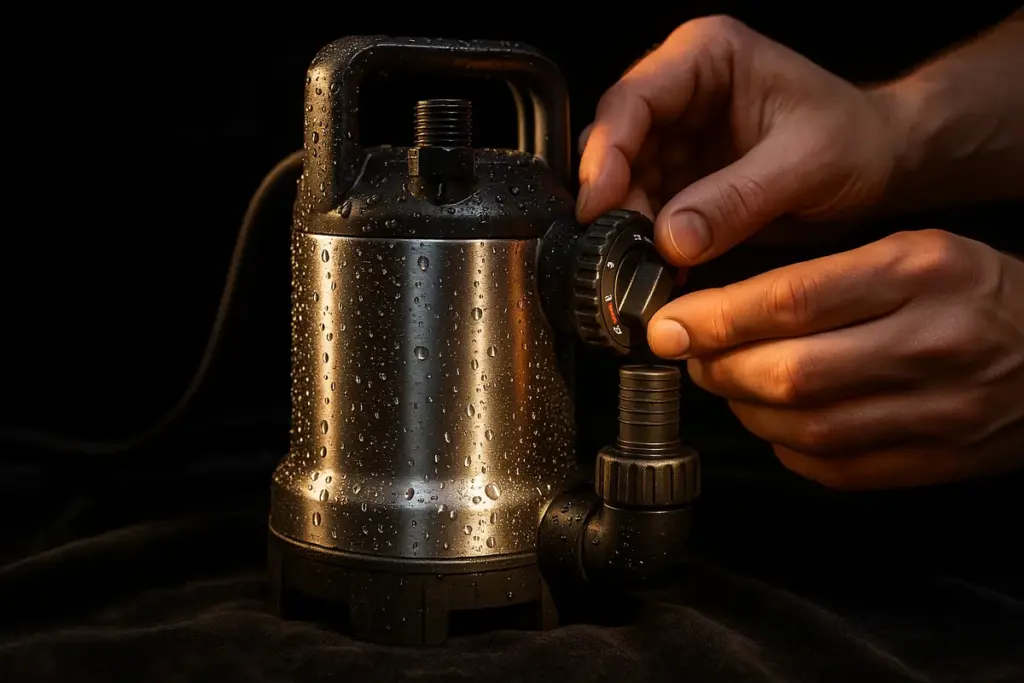
When water starts rising inside your home, whether from a burst pipe, a backed-up drain, or a storm that dumped more rain than your basement could handle, the clock starts ticking immediately. Getting professional emergency water removal on the scene fast isn’t just about convenience; it’s the difference between a manageable repair bill and a full-scale structural nightmare. What happens in the first few hours after a flood is more critical than most homeowners ever realize until they’re standing in three inches of water at midnight wondering what to do next.
The First Hour Is Worth More Than You Think
Water is deceptively destructive. It looks like a surface problem, but it moves fast, soaking into drywall, wicking up wooden studs, pooling beneath flooring, and saturating insulation before you’ve even had time to call your insurance company. Within 24 to 48 hours, mold can begin taking hold in areas you can’t see. By the time you smell it, the damage has already spread.
Most homeowners underestimate this timeline because water damage isn’t always dramatic. A slow leak behind a wall or a gradual seep through a foundation can do just as much long-term harm as a sudden flood. The common thread is moisture sitting where it shouldn’t, and time working against you. If you want to understand exactly what that delay costs, this breakdown of what delaying cleanup actually costs is a real eye-opener.
The practical takeaway: don’t wait to see if things dry out on their own. They rarely do, and the hidden moisture is what causes the real damage down the line.
What Professional Extraction Actually Involves (It’s More Than Wet Vacs)
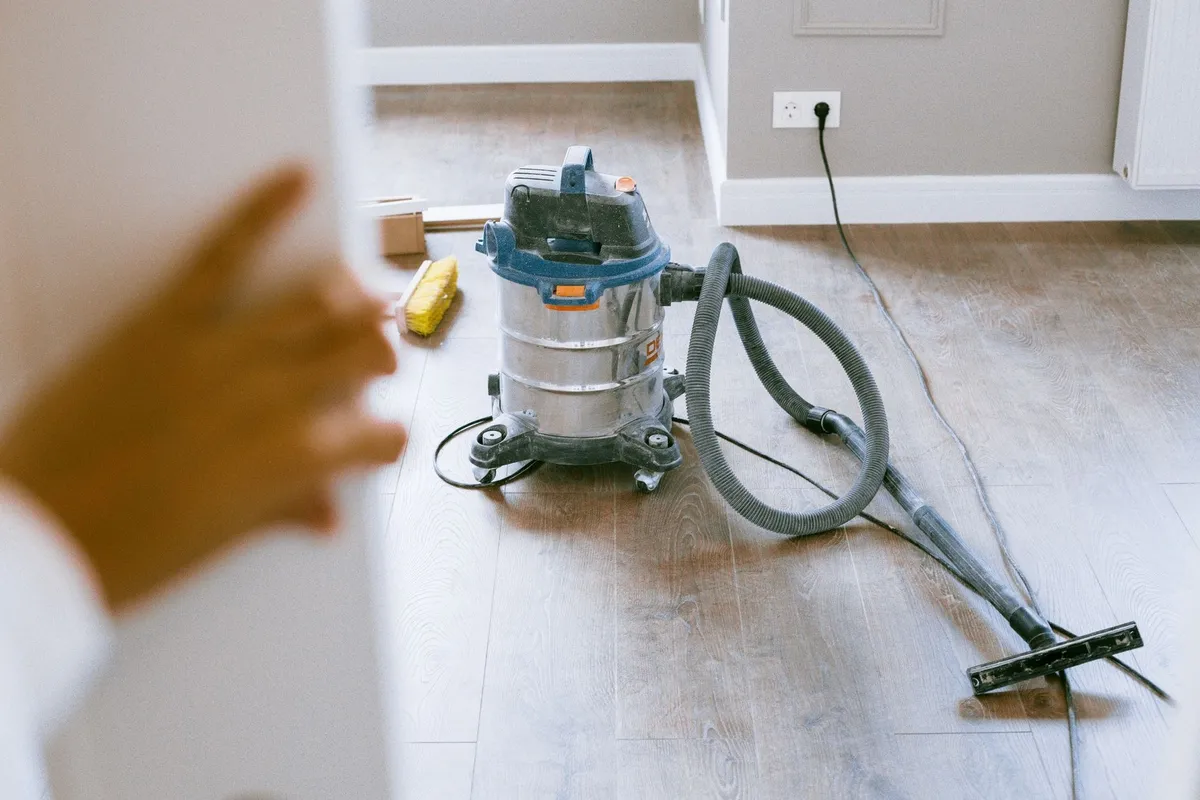
A lot of people picture water cleanup as someone showing up with industrial shop vacs and a few fans. The reality is considerably more involved, and that gap in understanding is where a lot of homeowners get burned by choosing the wrong company or trying to handle it themselves.
Professional water extraction starts with moisture mapping. Technicians use thermal imaging cameras and moisture meters to identify exactly where water has traveled, including inside walls, under flooring, and into ceiling cavities. You can’t dry what you can’t find, and guessing leads to missed pockets of moisture that become mold problems weeks later.
After extraction, structural drying takes over. This involves strategically placed industrial air movers and dehumidifiers running continuously, sometimes for several days, to pull moisture out of building materials. The equipment is calibrated based on the size of the space, the materials affected, and the ambient humidity. It’s a science, not just a matter of blowing air around.
If the flooding involved sewage or contaminated water, a backed-up drain line, for instance, the process becomes significantly more involved, requiring protective protocols and proper disposal procedures. That’s a situation where the DIY vs. professional debate ends pretty quickly in favor of calling in the experts.
Why the Company You Call Matters as Much as How Fast You Call
Speed matters, but so does competence. Not every restoration company operates at the same standard, and when you’re stressed and dealing with a flooded home, it’s easy to just call the first number that shows up in a search and hope for the best. That approach can lead to bigger problems.
The team at Flood Recovery Service works with homeowners across multiple regions, and one thing that comes up consistently in feedback from customers is how much they appreciated having someone explain the process clearly from the start, not just showing up, pulling equipment off a truck, and leaving them guessing. Transparency about what’s happening, what the moisture readings show, and what the drying timeline looks like makes an enormous difference when you’re already dealing with a stressful situation.
Before you hire anyone, it’s worth knowing what red flags to watch for. There are some critical mistakes people make when hiring a water damage company that can cost them significantly, both in repair quality and in insurance complications down the line.
Ask about certifications. Ask whether they handle insurance documentation. Ask how they track moisture levels throughout the drying process. A company that can answer those questions clearly is one worth trusting with your home.
Flooding Doesn’t Always Look Like a Disaster Movie
Here’s something worth saying plainly: a lot of serious water damage situations start small. A water heater that fails slowly. A refrigerator line that develops a pinhole leak. A window seal that lets in moisture every time it rains. These aren’t dramatic events, but they create the same conditions, sustained moisture in places it shouldn’t be, that lead to mold, rot, and structural damage.
Homeowners who catch these issues early are almost always in a better position than those who discover them during a renovation or a home sale. If you’ve been noticing musty smells, soft spots in flooring, or discoloration on walls or ceilings, those are worth investigating before they become a much larger problem.
Seasonal maintenance plays a real role here too. Keeping gutters clear, checking drainage around your foundation, and inspecting vulnerable areas before winter or heavy rain seasons can prevent a lot of calls at 2 a.m. If you want a practical starting point, this summer home safety checklist for preventing water damage covers a lot of the basics that apply year-round.
When flooding does happen, whether it’s a slow-building problem or a sudden event, the response matters more than most people expect. Getting the right team in quickly, with the right equipment and the knowledge to find moisture where it hides, is what separates a clean recovery from months of ongoing problems. Don’t wait to find out the hard way.
Frequently Asked Questions
How quickly can mold actually start growing after my basement floods?
Mold can begin taking hold within 24 to 48 hours of water sitting in affected areas, and by the time you smell it, it has already spread beyond what you can see. The hidden moisture inside walls, under flooring, and in insulation is what feeds it, not just the standing water on the surface. That’s why waiting a day or two to see if things dry out on their own is one of the costlier decisions a homeowner can make.
Why can’t I just use shop vacs and fans to dry things out myself?
The problem with handling it yourself is that you can only dry what you can find, and water travels into wall cavities, under flooring, and into ceiling spaces that aren’t visible. Professionals use thermal imaging cameras and moisture meters to map exactly where water has moved before any drying equipment is placed. Missing even one pocket of hidden moisture is enough to create a mold problem weeks later that ends up costing far more than the original cleanup would have.
What makes flooding from a backed-up drain different from a burst pipe situation?
When the water source involves a drain line backup, the water is contaminated, which means the cleanup requires protective protocols and proper disposal procedures that go well beyond standard water extraction. That’s a situation where doing it yourself stops being a realistic option pretty quickly. The article is direct about this, contaminated water scenarios are where the DIY versus professional debate ends fast.
What should I actually ask a restoration company before I let them start work?
Ask whether they hold certifications, how they handle insurance documentation, and specifically how they track moisture levels throughout the drying process rather than just at the start. A company that can answer those questions clearly and without hesitation is worth trusting; one that can’t is a red flag worth paying attention to. Hiring the wrong company can create complications with your insurance claim on top of repair quality issues.
Can a slow leak behind a wall really cause the same damage as a sudden flood?
Yes, a pinhole leak in a refrigerator line or a gradually failing water heater creates the same core condition as a dramatic flood: sustained moisture sitting somewhere it shouldn’t be. The difference is that slow leaks often go unnoticed longer, which gives moisture more time to cause rot, mold, and structural damage before anyone investigates. Musty smells, soft spots in flooring, and discoloration on walls or ceilings are the signs worth acting on before they turn into a much larger problem.