When a pipe bursts or a storm pushes water into your basement at 2 a.m., the last thing you want is to feel lost about what comes next. The demand for professional flood recovery services has grown sharply over the past few years, and with that growth has come a wave of new technology, smarter processes, and, frankly, higher expectations from homeowners who have been through it before. Here is what is changing heading into 2026, and why it matters for anyone dealing with water damage right now.
Faster Drying, Smarter Equipment, The Tech Is Actually Impressive Now
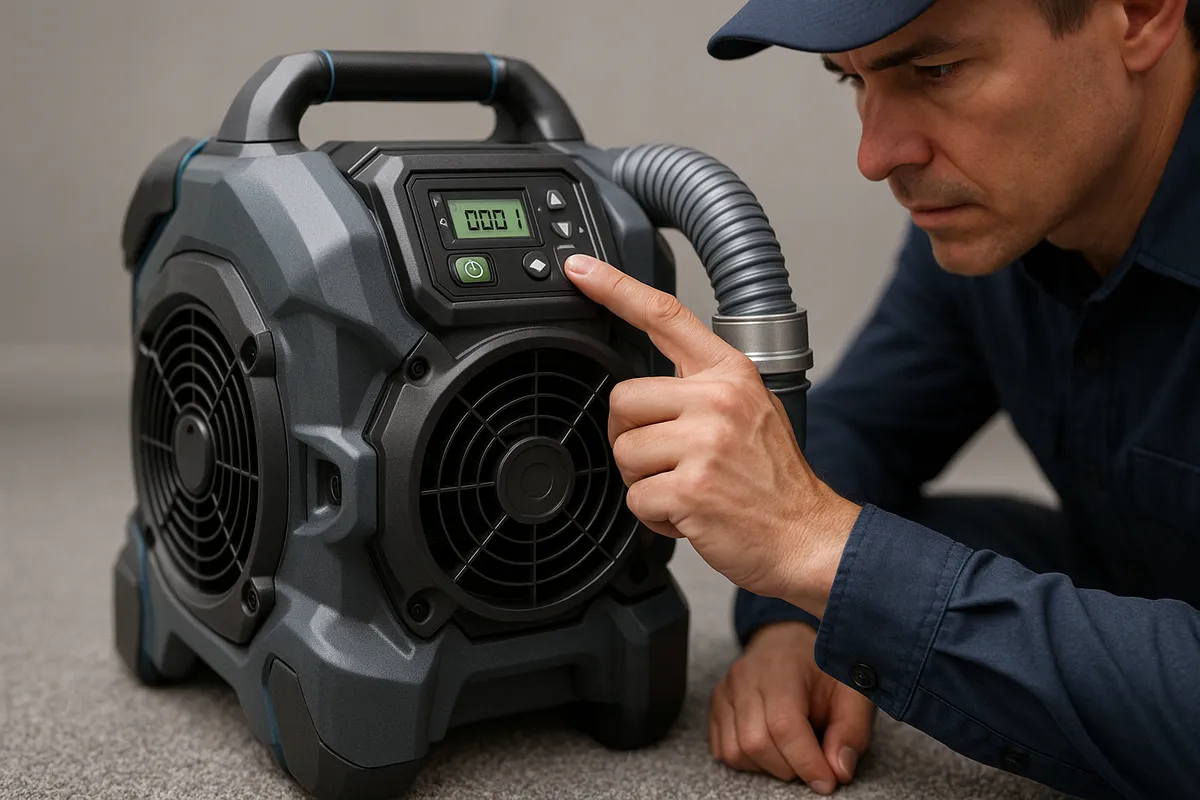
Not long ago, drying out a flooded home meant setting up a row of loud fans and hoping for the best. That approach still exists, but the better restoration companies have moved well past it. Thermal imaging cameras can now detect moisture hidden inside walls and under flooring without a single hole being cut. Desiccant dehumidifiers pull water vapor from the air even in cold conditions where older units struggled. And structural drying systems are being calibrated with real-time moisture data loggers that track humidity levels hour by hour, automatically adjusting airflow to hit drying targets faster.
What this means for a homeowner is less time displaced, less secondary damage from prolonged moisture, and a cleaner paper trail for insurance purposes. The data collected during drying can be shared directly with adjusters, which cuts down on disputes about whether the job was done properly. That alone is worth asking about when you are vetting a restoration company.
Mold Is No Longer an Afterthought, It Is Part of the Initial Plan
One of the biggest shifts happening in the industry right now is the integration of mold remediation into the early stages of water damage response rather than treating it as a separate problem to handle weeks later. Mold can begin developing within 24 to 48 hours of a water event, and by the time visible growth appears, the problem has usually been spreading quietly for days.
Experienced restoration teams are now conducting air quality testing and applying antimicrobial treatments as part of the initial response, not as an add-on service after the fact. This proactive approach protects both the structure and the people living in it. If you are talking to a restoration company and they are not mentioning mold prevention until you bring it up, that is a red flag worth paying attention to. Homeowners who have been through this process often say they wish they had asked more questions upfront about what was being done to prevent mold before it became a visible problem.
Insurance Navigation Has Become Its Own Skill Set
Dealing with an insurance claim after a flood used to feel like a second disaster on top of the first one. That experience has not disappeared entirely, but the best restoration companies have gotten much better at working alongside insurance adjusters in a way that actually moves things forward instead of creating more friction.
Documentation is the key. Detailed photo logs, moisture readings, drying reports, and itemized damage assessments give adjusters what they need to process claims without unnecessary back-and-forth. Some companies now use cloud-based project management platforms that give both the homeowner and the insurance company real-time visibility into the scope of work and progress. If you want to understand how the claims process works from the restoration side, the insurance claims support page at Flood Recovery Service lays it out clearly, including what documentation matters most and how to avoid common delays.
For homeowners who are not sure where to even start with financial assistance after a major flood event, there are also options beyond standard homeowner’s insurance worth knowing about. FEMA assistance and disaster relief programs can fill gaps that private insurance does not cover, and understanding those options early can make a real difference in what you are able to recover.
Response Time Is the New Competitive Advantage
Speed has always mattered in water damage restoration, but the industry is now treating it as the central metric. Every hour that standing water sits in a structure increases the cost and complexity of the repair. Flooring buckles. Drywall saturates. Wood framing begins to swell. What might be a straightforward extraction and drying job at hour two can become a full gut-and-rebuild by hour 48.
The companies pulling ahead in 2026 are those that have invested in 24/7 dispatch, pre-staged equipment, and crews trained to begin mitigation the moment they arrive rather than spending the first hour assessing and planning. Response time guarantees, where a company commits to being on-site within a specific window, are becoming more common and more meaningful as a way to differentiate real capacity from marketing language.
Flood Recovery Service operates across multiple regions and has built its reputation on exactly this kind of rapid, organized response. Customers consistently point to the professionalism of the crew and how quickly the situation felt under control once work began, which, when your home is soaked and your stress level is through the roof, is not a small thing.
If you want to make sure you are prepared before a water event happens rather than scrambling after, the post-flood recovery checklist is a practical resource worth bookmarking. Knowing what steps to take and in what order can genuinely change how well a recovery goes, and how much it ends up costing you.
Frequently Asked Questions
How quickly does mold actually start growing after a flood, and what should a restoration crew be doing about it on day one?
Mold can begin developing within 24 to 48 hours of a water event, which means by the time you can see it, it has usually been spreading for days already. A crew that is doing their job properly will conduct air quality testing and apply antimicrobial treatments during the initial response, not as a separate service scheduled weeks later. If the company you are talking to does not bring up mold prevention until you ask, that is a red flag.
What does the moisture data logging equipment actually do, and why does it matter for my insurance claim?
Real-time moisture data loggers track humidity levels hour by hour throughout the drying process and automatically adjust airflow to hit drying targets faster. The data they collect creates a detailed paper trail showing exactly what conditions existed and how the drying progressed. That documentation can be shared directly with your insurance adjuster, which cuts down on disputes about whether the work was completed properly.
What happens to my home if the restoration crew does not arrive quickly enough after the flooding?
Every hour standing water sits in a structure increases both the cost and the complexity of the repair, flooring buckles, drywall saturates, and wood framing begins to swell. A job that is straightforward at hour two can turn into a full gut-and-rebuild by hour 48. That is why response time is not just a convenience factor; it directly affects how much of your home can be saved and what the total recovery ends up costing.
If my homeowner’s insurance does not cover everything, are there other ways to get financial help after a major flood?
FEMA assistance and disaster relief programs can fill gaps that private insurance does not cover, and it is worth understanding those options early rather than after you have already exhausted your claim. The article points out that knowing about these programs upfront can make a real difference in what you are ultimately able to recover. Do not wait until your insurance settlement falls short to start looking into what else is available.
How do I know if a restoration company actually has the capacity to respond fast, or if it is just something they say in their marketing?
Look for companies that offer specific response time guarantees, a committed window for when a crew will be on-site, rather than vague promises about being available around the clock. Companies with real capacity have invested in 24/7 dispatch, pre-staged equipment, and crews trained to begin mitigation the moment they arrive, not spend the first hour planning. A guarantee with a specific timeframe attached to it is a much more honest signal than general language about fast service.