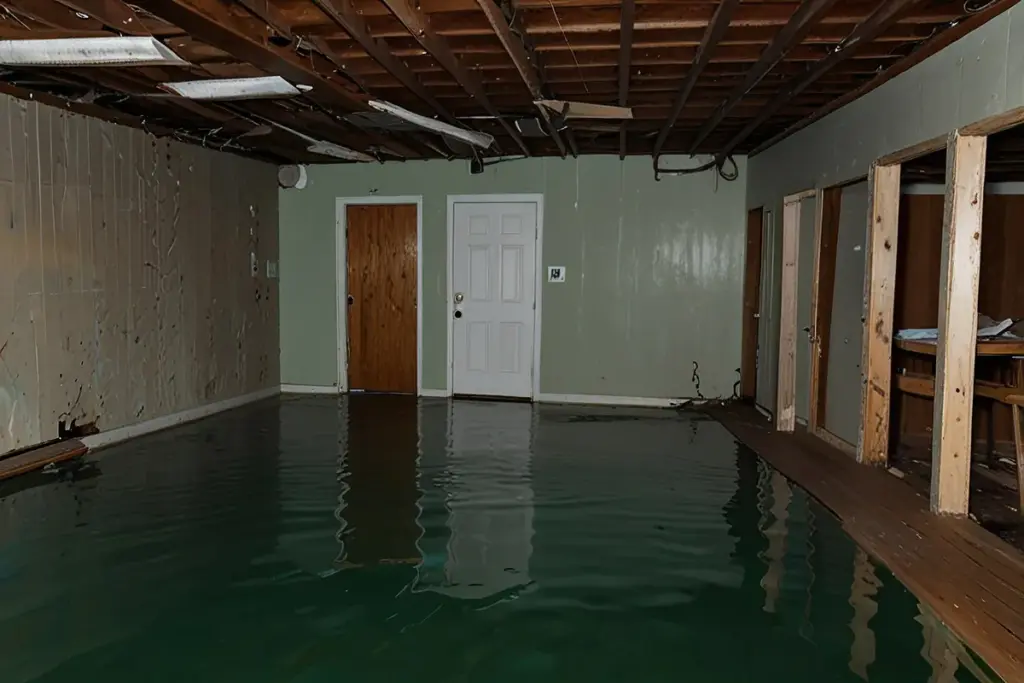
There are few home emergencies that feel quite as overwhelming as walking downstairs to find your basement underwater, and the reality is that basement flooding cleanup is almost never as simple as grabbing a mop and calling it a day. Water moves fast, hides in places you can’t see, and leaves behind problems that can take weeks or months to surface if you don’t handle things correctly from the start. Here’s what you actually need to know.
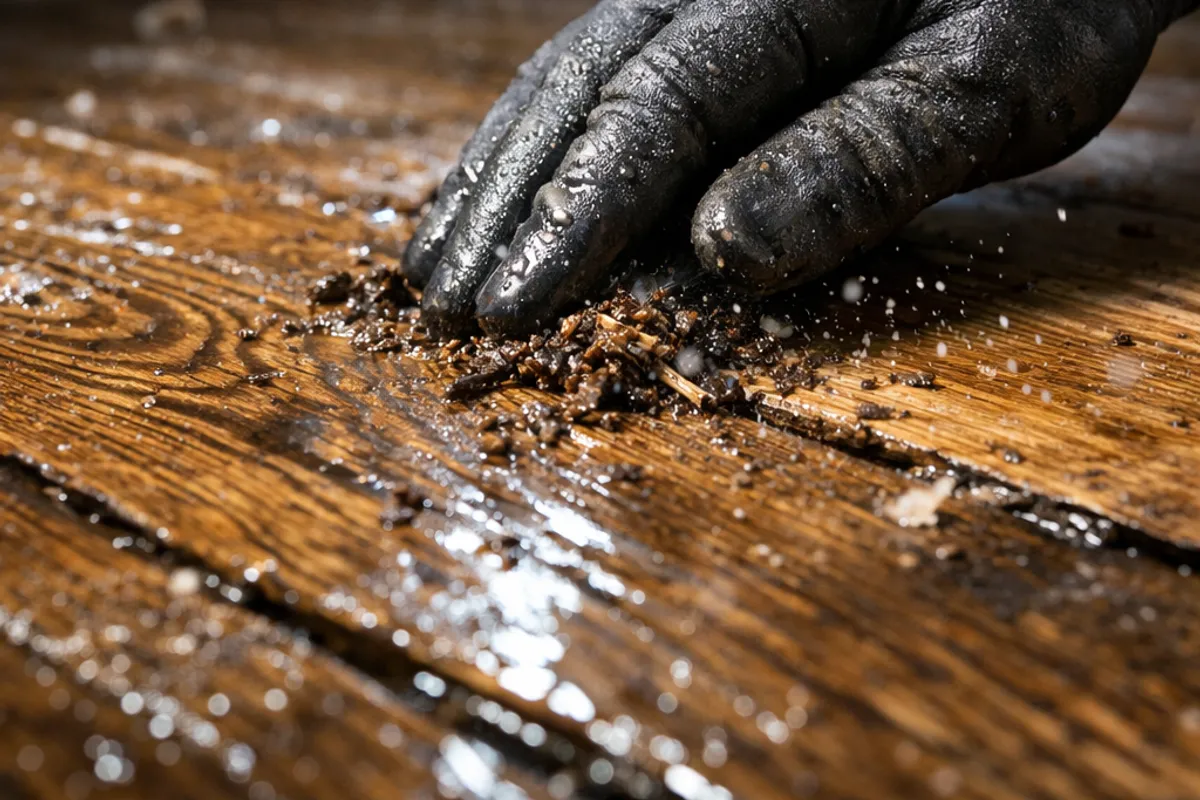
The First Hour Matters More Than You Think
Most homeowners waste precious time in those first 60 minutes trying to figure out what happened rather than stopping what’s still happening. Before you do anything else, cut the power to the affected area if you can safely reach the breaker without walking through standing water. Water and electricity are a deadly combination, and that step alone can prevent a bad situation from becoming catastrophic.
Once that’s handled, identify the source. Is it a burst pipe? A backed-up sump pump? Groundwater seeping through the foundation after heavy rain? The answer changes everything about how you respond. A pipe burst is a contained problem once you shut off the water supply. Groundwater intrusion, on the other hand, may keep flowing until conditions outside change. Knowing what you’re dealing with tells you whether you’re fighting a battle that’s already over or one that’s still in progress.
Start removing water as quickly as possible. Submersible pumps and wet-dry vacuums are your best tools here. Every hour water sits, it soaks deeper into drywall, insulation, flooring, and structural wood. The damage doesn’t grow linearly, it compounds. If you’ve ever wondered what delaying water damage cleanup actually coststhe answer is almost always more than people expect.
What’s Hiding Behind the Walls
This is where a lot of DIY recoveries go wrong. People extract the standing water, run a few fans, and assume the job is done. What they miss is everything they can’t see, moisture trapped inside wall cavities, under subfloors, and behind baseboards. That hidden moisture is where mold takes hold, often within 24 to 48 hours of the initial event.
Professional restoration teams use moisture meters and thermal imaging cameras to map out exactly where water has traveled. It’s not guesswork, it’s a measured, systematic approach to making sure nothing gets left behind. Structural drying is a specific science, and it involves industrial-grade dehumidifiers and air movers placed strategically based on moisture readings, not just gut instinct.
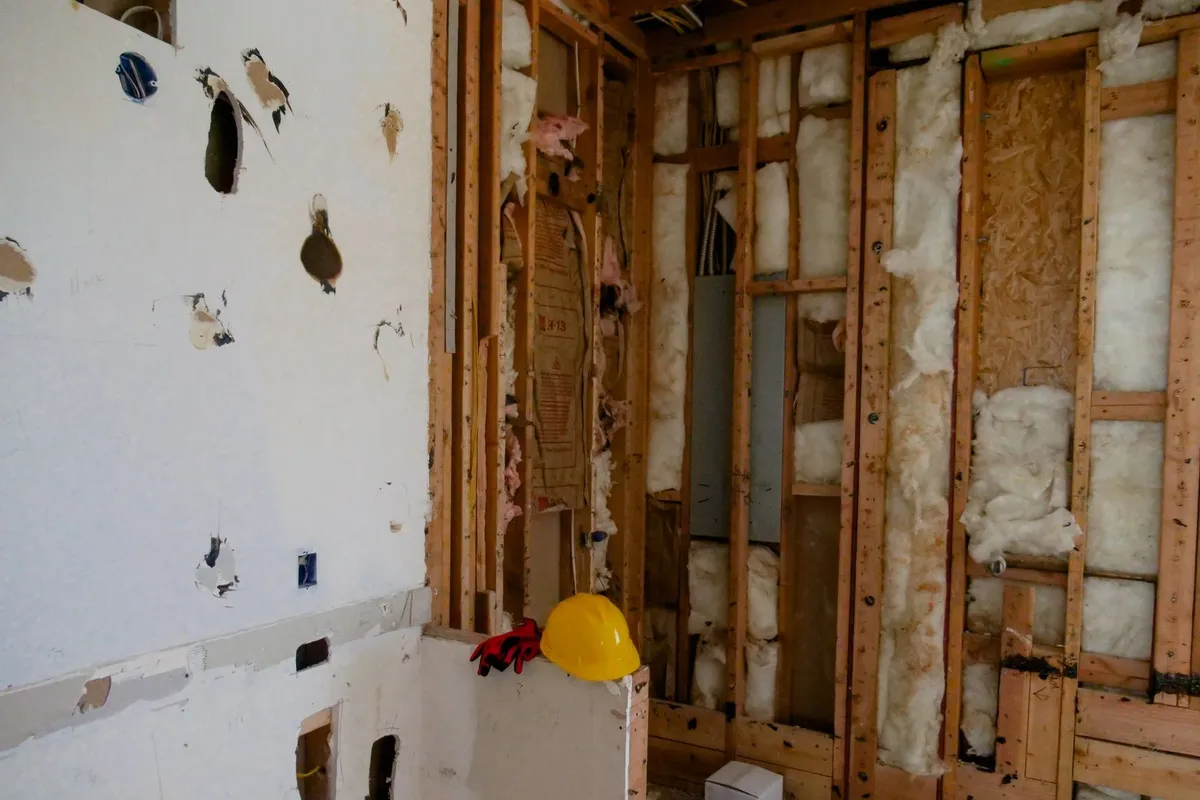
If your basement finished walls took on water, there’s a real chance some drywall will need to come out. That sounds dramatic, but it’s far better than sealing mold inside a wall and dealing with a remediation project six months from now. Experienced crews from Flood Recovery Service hear this from homeowners regularly, people who tried to save the drywall and ended up spending far more down the road because of it.
When the Water Isn’t Just Water
Not every flooded basement involves clean water from a pipe. If your basement backed up through a floor drain, there’s a strong chance you’re dealing with contaminated water, and that changes the safety equation entirely. Sewage contains bacteria, pathogens, and other hazards that require protective equipment and specialized disinfection protocols. You can’t just dry it out and move on.
The same applies to floodwater that entered from outside after a storm. Groundwater picks up whatever it passes through, soil, lawn chemicals, street runoff, and carries it into your home. Any porous materials that came into contact with that water, including carpet, drywall, and insulation, typically need to go. There’s no cleaning them to a safe standard. If you’re dealing with this type of situation, the sewage backup cleanup process is a useful reference for understanding what contaminated water recovery actually involves.
Many homeowners are surprised to learn their standard homeowner’s insurance may not automatically cover certain types of flooding, particularly groundwater intrusion. It’s worth pulling out your policy and making a call to your agent before you assume coverage. Understanding your financial options early, including what FEMA assistance might be available, can take significant pressure off the recovery process.
Getting Back to Normal Without Cutting Corners
The temptation after a basement flood is to rush back to normal as fast as possible. That’s completely understandable. But rebuilding before the space is fully dry is one of the most common and costly mistakes people make. Flooring installed over a damp subfloor will buckle. Paint applied to walls that still hold moisture will peel. Mold will grow behind whatever you put back in place.
A proper recovery follows a clear sequence: extract, dry, test, remediate if needed, then rebuild. Skipping or shortening any of those steps doesn’t save time, it just moves the problem forward. People who’ve been through this process with a professional team often say the same thing afterward: they wish they’d called sooner and trusted the process rather than trying to manage it themselves until things got worse.
If you’re standing in a wet basement right now trying to figure out your next move, the most important thing you can do is act quickly and get the right help. Water damage doesn’t wait, and neither should you.
Frequently Asked Questions
How quickly does mold actually start growing after my basement floods?
Mold can take hold within 24 to 48 hours of the initial flooding event, especially in moisture trapped inside wall cavities, under subfloors, and behind baseboards where you can’t see it. That’s why extracting standing water is only the first step, the hidden moisture left behind is what creates the real mold problem. Running a few fans after pumping out the water isn’t enough to stop that clock.
Is the water from my backed-up floor drain safe to clean up myself?
No, water that backs up through a floor drain almost certainly contains sewage, which means bacteria, pathogens, and other hazards that require protective equipment and specialized disinfection, not just drying. Any porous materials that came into contact with it, carpet, drywall, insulation, typically need to be removed entirely because there’s no way to clean them to a safe standard. This isn’t a situation where you can dry things out and move on.
What’s the actual order of steps a proper recovery should follow?
The correct sequence is extract, dry, test, remediate if needed, and then rebuild, and skipping or shortening any of those steps doesn’t save time, it just pushes the problem further down the road. Rebuilding before the space is fully dry leads to buckled flooring, peeling paint, and mold growing behind whatever you’ve put back in place. The sequence exists for a reason, and rushing it almost always costs more in the end.
Does my homeowner’s insurance cover a flooded basement?
Not necessarily, the article specifically flags that standard homeowner’s insurance may not automatically cover certain types of flooding, particularly groundwater intrusion after heavy rain. You should pull out your policy and call your agent early in the process, before you assume anything is covered. It’s also worth asking about FEMA assistance, which can be an option depending on your situation.
How do professionals find moisture I can’t see with my own eyes?
Restoration crews use moisture meters and thermal imaging cameras to map exactly where water has traveled inside walls, under floors, and behind baseboards, it’s a measured, systematic process rather than guesswork. Industrial-grade dehumidifiers and air movers are then placed based on those actual moisture readings, not just wherever seems logical. That’s a meaningful difference from pointing a household fan at a wet wall and hoping for the best.